Protect the Customer, Protect the Bank
Inside oversight of Pakistan's banking system — verification across commodity supply chains, the digital-payments transition, and the line between administrative error and deliberate misconduct.
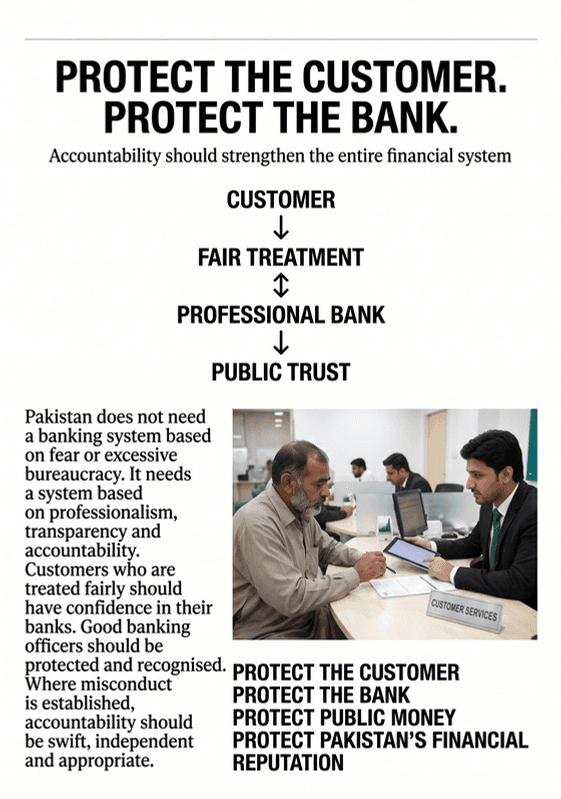
Pakistan's banking system is one of the most important pillars of the national economy. Millions of citizens, businesses, and overseas Pakistanis place savings, investments, and financial transactions in banks with the expectation that the system will operate with integrity, professionalism, and accountability. The role of the State Bank of Pakistan is therefore critical.
The State Bank has reinforced the core pillars of banking regulation. This strict oversight ensures all financial transactions align with legal integrity, professionalism, and public accountability. In alignment with global standards, supervisory frameworks are continuously updated, driving commercial banks to maintain strong capital buffers and ensure long-term financial stability.
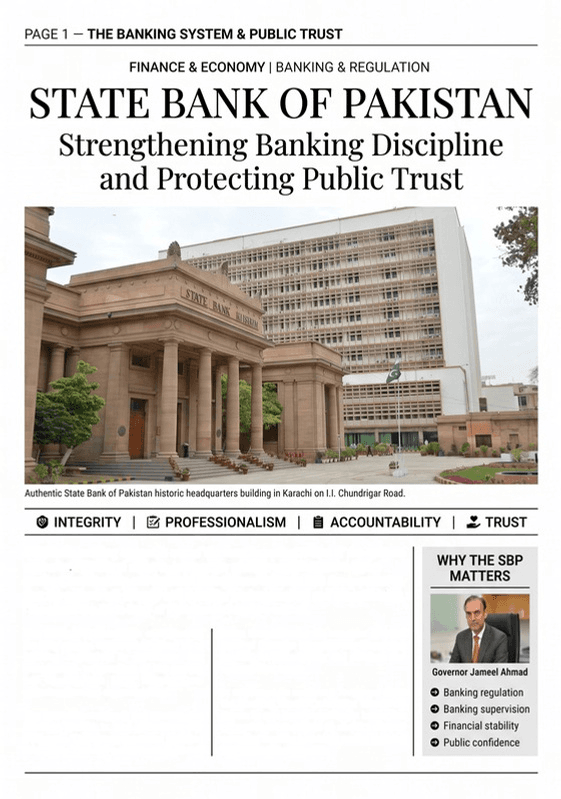
Banking regulation cannot succeed simply by issuing rules. The real test is how effectively those rules are implemented inside individual banks, branches and customer-facing operations. There is an important distinction between a genuine banking error and deliberate misconduct: an administrative mistake may require correction, while evidence of authority or intentional manipulation may require investigation through appropriate regulatory and legal channels.
Banks operate with money entrusted to them by the public, and that responsibility extends beyond ordinary customer service. Banking officers and senior management must maintain accurate records, follow regulatory requirements, protect customer information and treat customers fairly. If weak internal controls allow serious misconduct to continue, the damage can extend beyond a single branch or institution and gradually undermine confidence in the wider banking system.
From Farm to Import Declaration
Commodity trade can require verification across multiple stages. For goods such as mangoes, potatoes and onions moving from overseas supplier through shipping, port, customs, distribution and market, verification may compare invoices, customs declarations, shipping records, container weights, banking transactions, and purchase contracts. Stronger verification could help identify discrepancies, recover lost revenue and protect businesses that comply with customs requirements.
Recover lost funds and secure government revenue streams. Safeguard legal commerce and foster fair competition.
The Digital Transition
Pakistan's banking system is becoming increasingly digital. The State Bank has supported digital payment infrastructure, digital banking and financial technology development while also emphasising operational resilience, cybersecurity and customer trust. As banking moves increasingly through mobile applications, internet banking and digital payment systems, the need for secure systems and responsible institutional behaviour becomes even more important. As consumer adaptation expands, banking services shift rapidly towards automated ecosystems — a transition that demands absolute vigilance from regulatory bodies to counter complex modern operational threats effectively.
A strong regulatory framework depends on the people implementing it. Banking officers need appropriate training, knowledge, experience and authority to recognise complicated customer situations, follow procedures and make responsible decisions. Good banking officers should be protected and recognised. At the same time, where serious misconduct is identified, accountability should be independent and meaningful.
Protect the Customer, Protect the Bank
Where there is evidence of fraud, corruption, abuse of authority or intentional manipulation, such matters should be investigated through the appropriate regulatory and legal channels. Investigations are conducted discreetly through formal banking channels, prioritising institutional transparency over public sensationalism, and the focus of regulatory action remains on systemic correction and legal accountability.
Accountability should focus on evidence and due process rather than assumptions or individual accusations. Regulatory enforcement must maintain absolute objectivity throughout the process — decisions should rely firmly on verifiable facts, ensuring that any corrective measures or penalties are proportionate to the nature of the established breach.
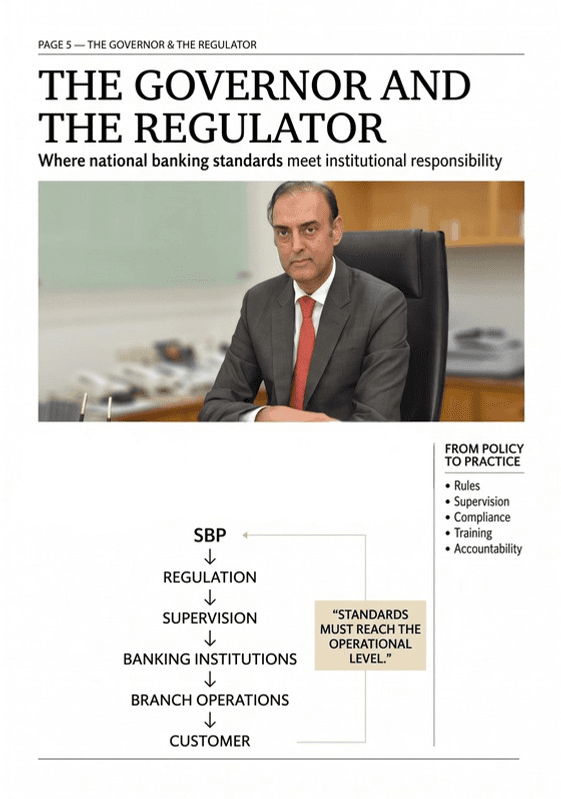
The State Bank of Pakistan's Governor, Jameel Ahmad, carries a central institutional responsibility in maintaining the credibility and effectiveness of Pakistan's central banking framework, designated as its chief executive while the institution performs core functions including banking regulation and supervision. Strong governance, the framework argues, acts as a shield for public wealth: when institutions prioritise transparency, they build a solid foundation for long-term economic growth and systemic integrity.
Editorial Standards & Transparency
Our Editorial CodeThis article was commissioned, edited, and fact-checked in accordance with Vision News’s editorial policies. Commercial partners and advertisers do not review or influence our reporting. If you believe this piece contains a factual error, please notify our corrections desk at hello@visionnews.uk.